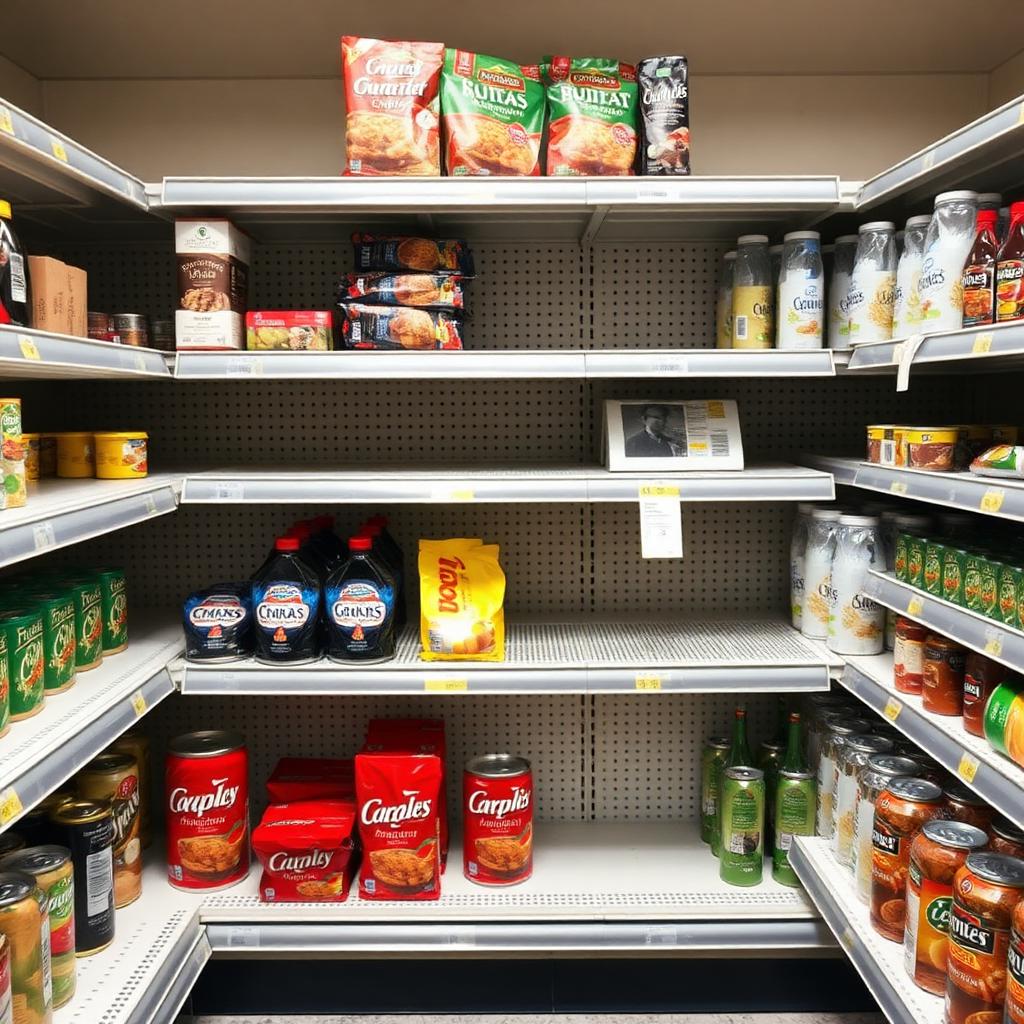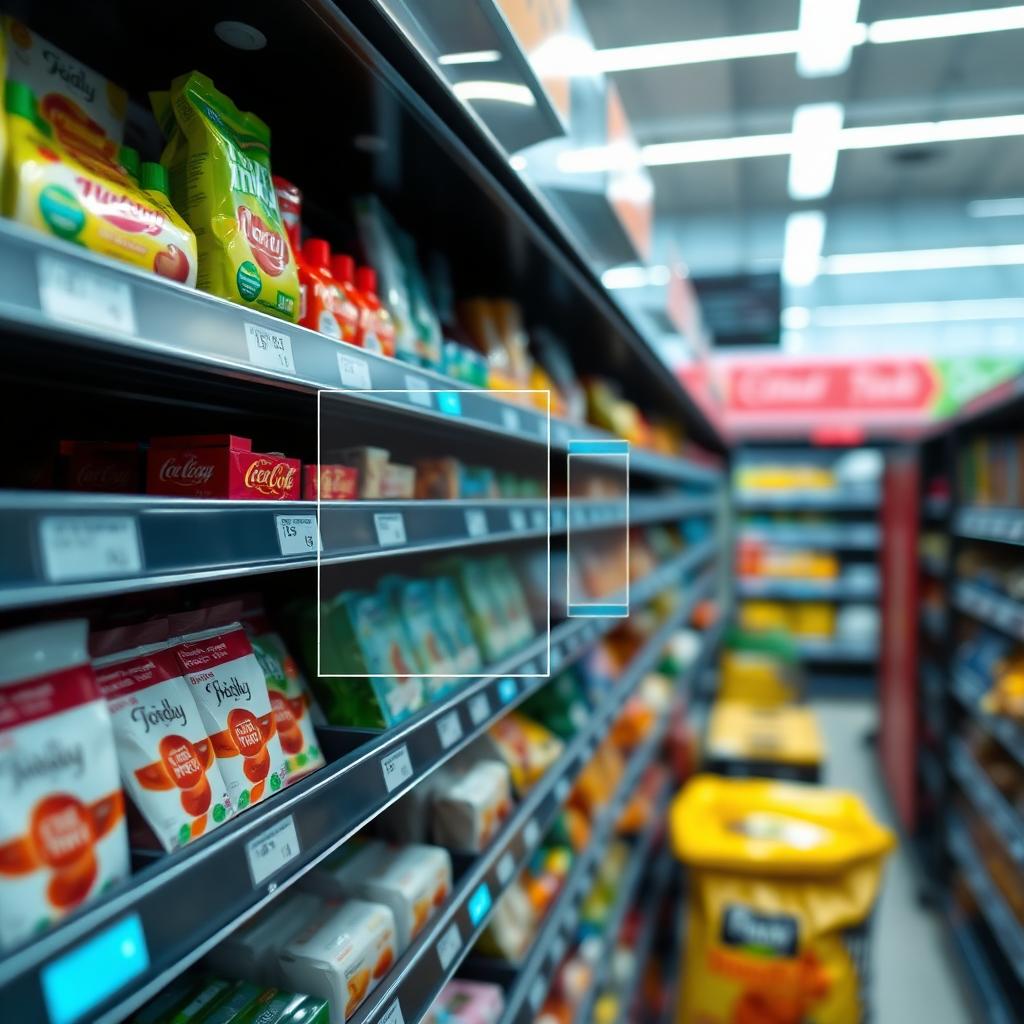
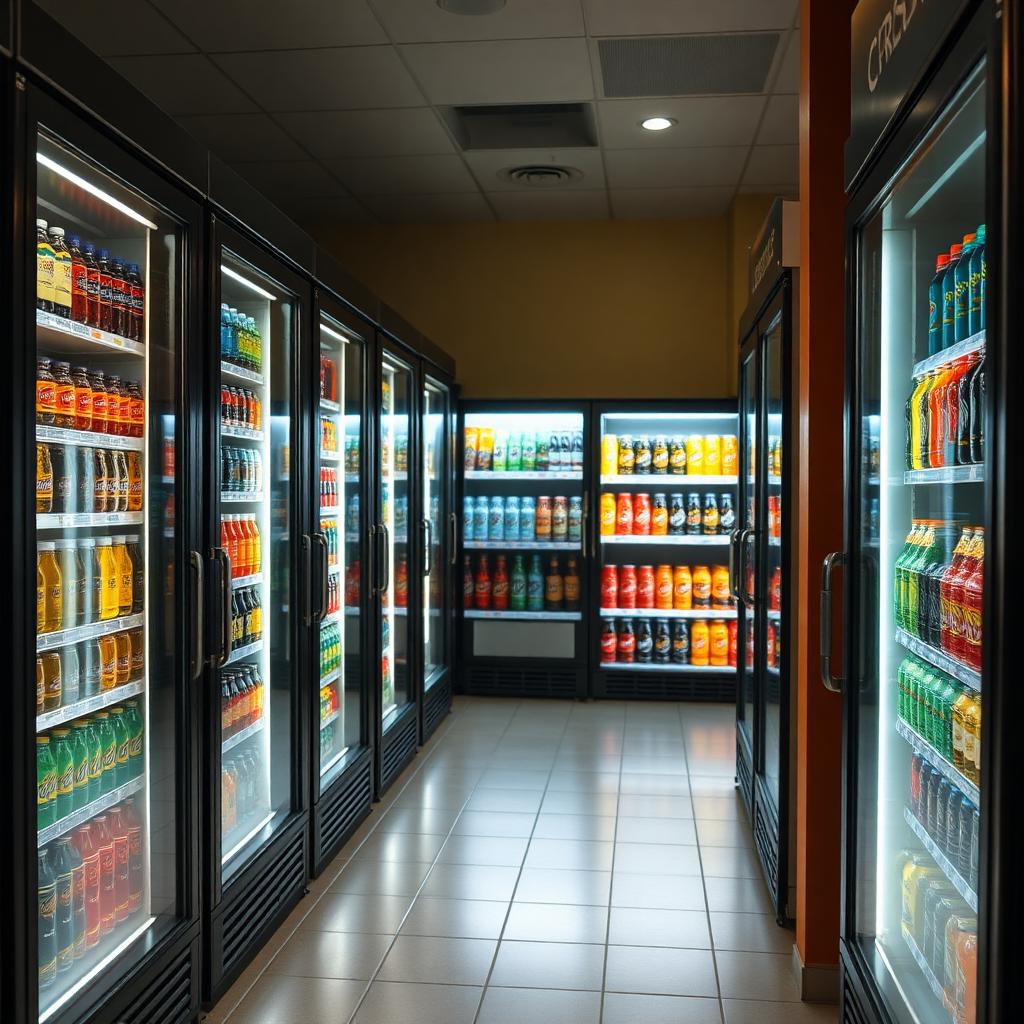
Cold space is the most contested real estate in retail. Here's the full playbook — plan, measure, and defend the cooler door before the category captain locks you out.
Cold space converts. That's why every beverage category captain fights for it and why losing a shelf in the door can quietly cost you a full point of share. Ambient displays create impressions. Cold doors create purchases. Winning them — and defending them — is the single highest-leverage move a beverage brand can make in trade execution.
Why cold doors matter more than any other fixture
The impulse economics of a cold beverage are unlike anything else in the store:
- Conversion rate on cold doors is 3–5x the store average. A shopper who touches the door handle has already decided to buy something.
- Eye-level door slots deliver disproportionate lift — often 40%+ over bottom-shelf placement in the same door.
- Category adjacencies matter. A single door of energy next to sports drink vs. two doors away can shift share materially.
If you sell a cold beverage, cold doors are your business.
The four-part cold-door playbook
1. Plan for the door you deserve, not the one you have
Most brands negotiate cold space based on last year's contract. Better brands negotiate based on velocity per facing vs. the category captain — a much stronger position. Bring the data.
2. Measure weekly, at minimum
Cold doors change constantly: a new competitor SKU appears, a facing gets flipped, a bottle gets buried behind a promo card. Weekly audits catch drift before it hardens into permanent loss.
Track:
- Facings by SKU by door
- Vertical position (eye level, top, bottom)
- Price integrity vs. planned promo
- Presence and condition of POS materials
- Any competitor encroachment (extra facings, new SKUs, POS)
3. Build the alert-and-escalate loop
Cold-door drift needs the shortest response cycle in your program. When a rep flags encroachment, that signal should hit the account lead the same day — not the next weekly report.
4. Bring photo evidence to every JBP
Nothing wins a cold-door negotiation like a stack of dated, geotagged photos showing what actually happened vs. what was promised. Category captains have their own decks; yours needs to be better.
Common failure modes
- Trusting the planogram. Planograms are aspirational. Doors are the truth.
- Auditing only during resets. Resets happen quarterly; encroachment happens weekly.
- Weekly audits without weekly action. Data without an owner is decoration.
- Optimizing facings instead of position. A worse position with more facings often loses to a better position with fewer.
How Shelfies.ai supports cold-door strategy
Shelfies.ai is used by beverage brands to audit thousands of cold doors per week, auto-detect facing counts and competitor encroachment, and route alerts to account leads in real time. Programs typically see cold-door compliance climb 15–20 points inside two quarters.
Key takeaways
- Cold doors convert at 3–5x store average — treat them as your #1 asset.
- Weekly audits are the floor, not the ceiling.
- Eye-level position often beats extra facings on a lower shelf.
- Photo evidence at JBPs shifts negotiations in your favor.
FAQ
How often should we audit cold doors? Weekly at minimum for priority chains; multiple times per week during peak season or promo windows.
What's the fastest way to spot competitor encroachment? AI-tagged captures that automatically flag new competitor SKUs or facing-count changes vs. the previous visit. Manual comparison misses more than it catches.
Do buyers actually respond to photo-based evidence? Yes — dated, geotagged photos with matching sales data are the strongest argument you can bring into a review. Ask us how brands are using it.