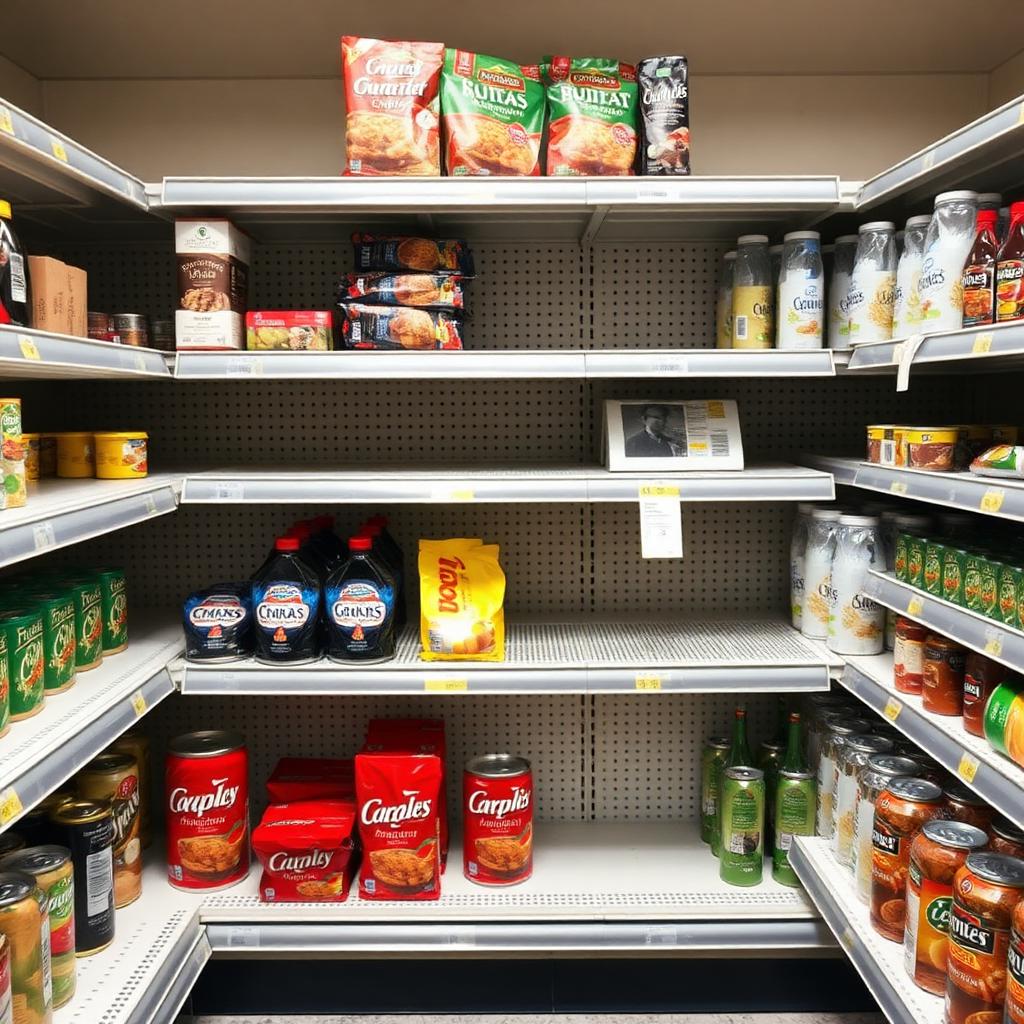

Manual tagging is the silent tax on every retail audit. Here's how computer vision removes it, what teams do with the reclaimed time, and where AI still needs a human.
Ask any field rep what they hate most about their job and the answer is universal: tagging. Selecting brands, sizes, prices, and facings from a drop-down menu, photo after photo, store after store. It's the silent tax on every retail audit — and it's the single biggest reason field data is late, incomplete, or wrong.
Computer vision changes the math. Instead of a rep classifying every SKU by hand, the AI does the first pass — reads the label, identifies the brand, extracts the price, counts the facings — and the rep only confirms exceptions. The result is faster capture, cleaner data, and reps who actually want to use the tool.
Where the 60% comes from
A typical fixture audit under a manual workflow looks like this:
- Take 6–10 photos (2 min)
- Manually tag every SKU visible in each photo (12–18 min)
- Enter price and facing counts (3–5 min)
- Sync and submit (1–2 min)
Total: ~20–25 minutes per fixture.
With AI-assisted capture in Shelfies.ai, the same audit runs like this:
- Capture a single video pan of the fixture (60 seconds)
- AI auto-tags brands, sizes, prices, and facings (real-time)
- Rep confirms flagged exceptions only (3–4 minutes)
- Data lands in the dashboard automatically
Total: ~6–8 minutes per fixture. A rep visiting 8 fixtures a day recovers over 2 hours daily — time that goes into more stores, deeper conversations, and actual selling.
Cleaner data, not just faster data
Speed matters, but data quality matters more. Manual tagging suffers from three chronic problems:
- Rep variance: the same SKU tagged three different ways across three reps
- Fatigue errors: accuracy drops noticeably after the fifth or sixth store of the day
- Missing SKUs: in a crowded planogram, the eye skips over what the AI catches
AI tagging removes all three. Every SKU is classified against the same trained model, at the same accuracy, at store #1 and store #14.
Where humans still matter
Computer vision is powerful, not perfect. Reps stay essential for:
- Judgment calls: is that empty facing an OOS or a slow-mover?
- Competitive context: why did the competitor drop price last week?
- Relationships: the buyer still wants to see a human, not a bot.
The best field programs treat AI as a co-pilot, not a replacement.
What teams do with the reclaimed time
Brands rolling out AI-assisted audits reinvest the saved hours in three ways:
- Broader coverage: more stores per rep per week, closing whitespace
- Deeper visits: longer conversations with store managers and buyers
- Faster response: reps circling back to fix issues they'd otherwise defer
Key takeaways
- AI tagging cuts audit time from ~20 minutes to ~6–8 minutes per fixture.
- Data consistency improves because every SKU is classified by the same model.
- Reps stay essential for judgment, competitive context, and relationships.
- Reclaimed time turns into more coverage and faster in-store response.
FAQ
How accurate is AI product recognition? Modern computer-vision models trained on retail imagery reliably exceed 95% recognition accuracy for tagged categories. Reps confirm the small exceptions the model flags.
Does the AI work on new products it hasn't seen before? Yes — models continually update, and new SKUs can be added to the training set within days. Reps can also add a new SKU on the fly during capture.
What hardware do reps need? A standard iPhone or Android device. No specialized scanners, no tablets, no extra hardware. Want to see it in action? Book a demo.