When leadership sees the shelf as it is — not as it was three weeks ago — decisions get faster, sharper, and more profitable. Here's how to build the shift.
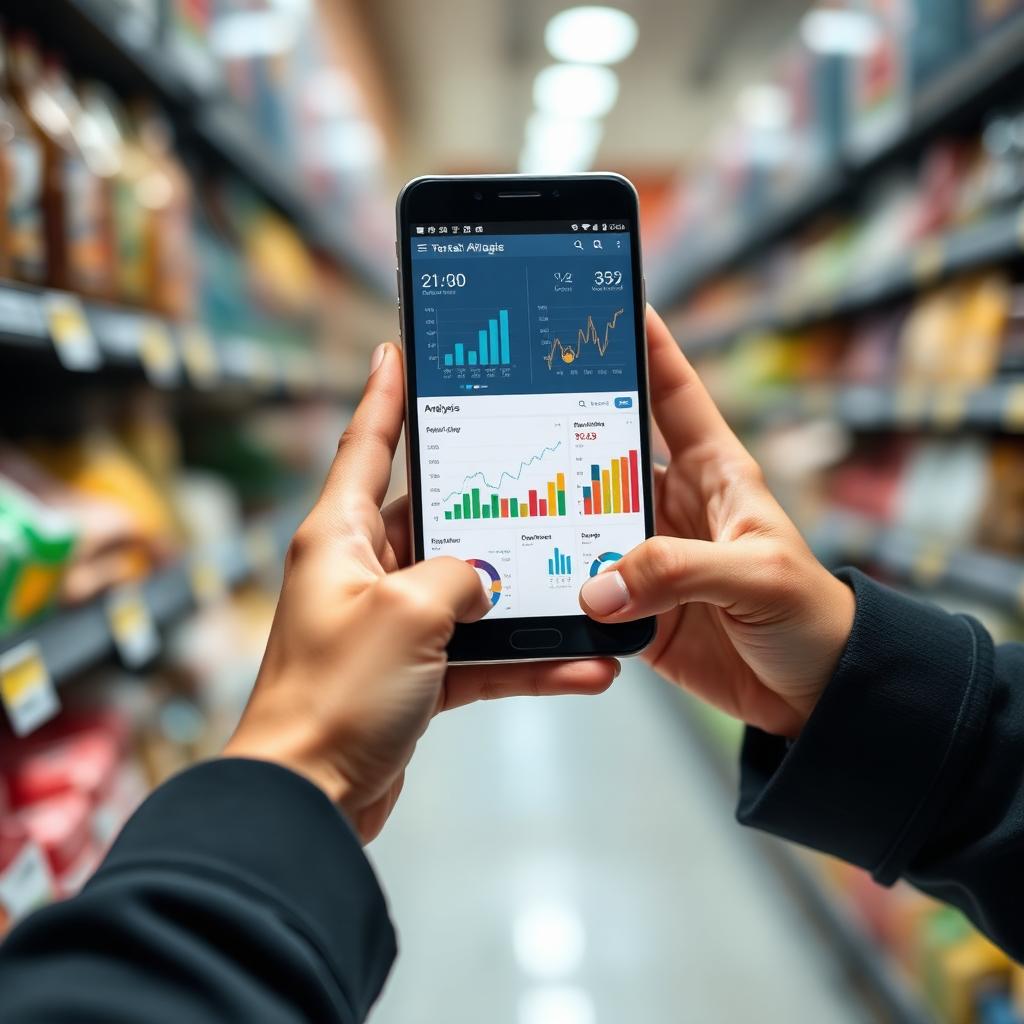
The weekly recap deck is comfortable. It's also too late. By the time it lands in the leadership inbox on Friday, the promotion is half over, the competitor has already adjusted, and Monday's decisions will be made on Tuesday's-old data. Real-time dashboards flip that loop entirely.
The half-life of retail data
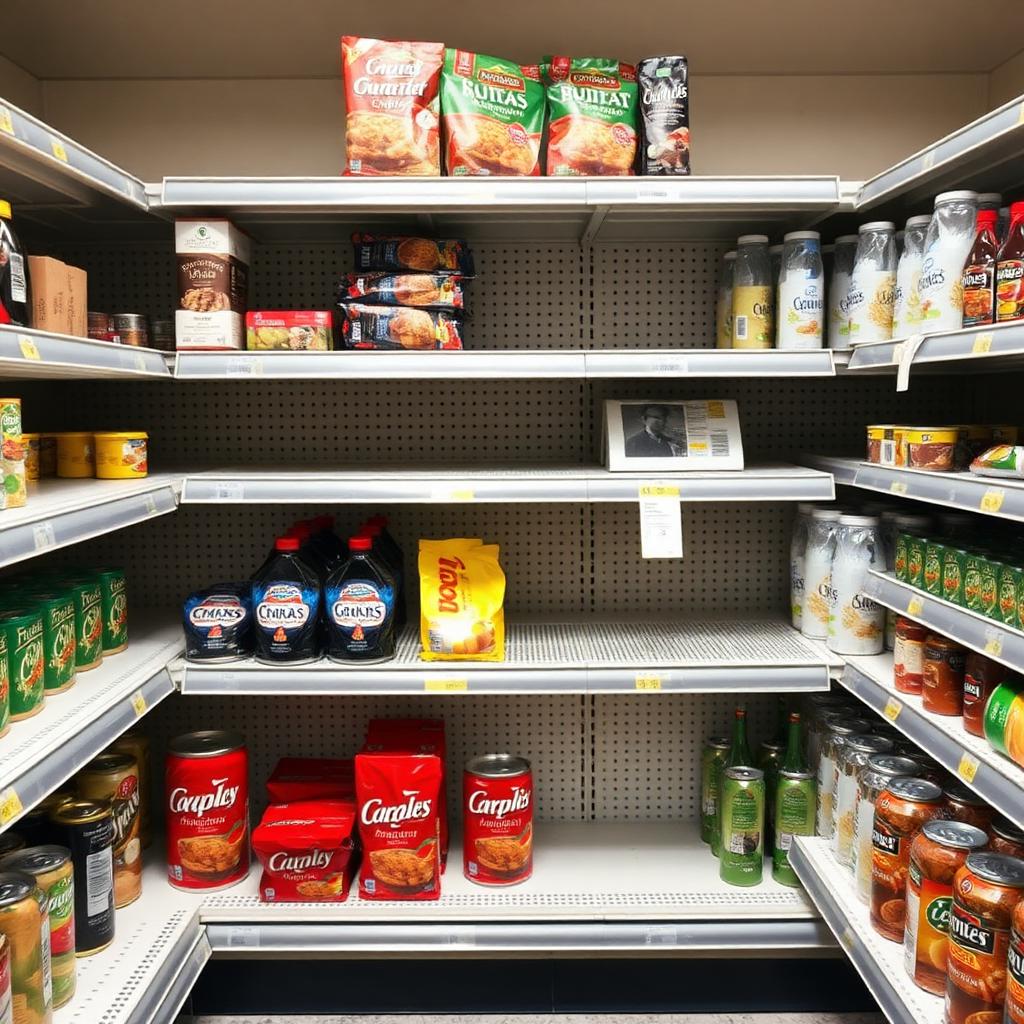
Retail insights decay fast. A price change spotted today can be matched tomorrow. An out-of-stock caught within an hour of noticing it costs the brand nothing; the same OOS caught on Friday costs a week of turns. The value of a retail insight is roughly inversely proportional to how long it took to reach the person who could act on it.
What "real-time" actually means in the field
Real-time doesn't mean instant — it means actionable inside the same day. In practice, that's:
- Capture to dashboard: minutes. A rep syncs at 10 a.m.; the district manager sees it before noon.
- Insight to owner: same day. Every anomaly (missing display, price gap, OOS) routes automatically.
- Owner to fix: within 24 hours. Store visits, retailer escalations, or planogram changes triggered without waiting for a weekly call.
The three views leadership actually needs
Not everyone needs the same dashboard. Modern retail visibility means role-based views:
Executive view
Share of shelf, compliance %, OOS rate — trended weekly, filterable by brand and chain.
Category manager view
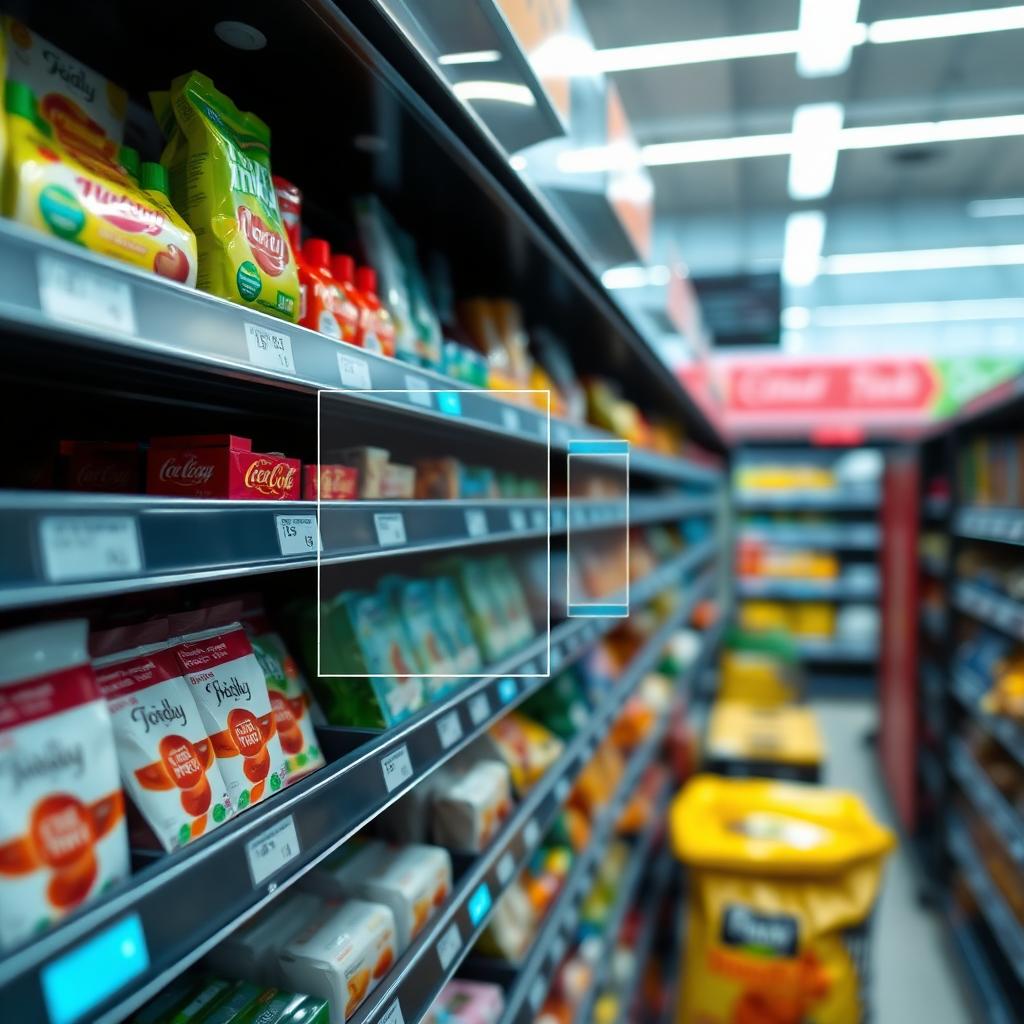
Planogram compliance, competitive endcaps, price integrity by SKU and store — updated hourly.
Field manager view
Rep activity, visit cadence, coaching flags, this-week priorities.
When each role sees only what they need to act, decisions get made instead of debated.
What changes when you flip the switch
Teams that move from weekly decks to live dashboards report the same handful of pattern changes:
- Category calls shift from "review last week" to "decide this week"
- OOS resolution time drops from 5–7 days to under 48 hours
- Competitive intel reaches HQ before it reaches the buyer's inbox
- Promotional lift is measured in-flight, not post-mortem
The change management piece
The technology is the easy part. The hard part is retraining the organization to make decisions on live data rather than waiting for the deck. That takes:
- Executive sponsorship to kill the weekly deck ritual
- Named owners for every dashboard alert
- A retro cadence to review what got faster, not just what changed
Shelfies.ai delivers the data layer — the operating rhythm is on you, and we help you build it.
Key takeaways
- Retail insight value decays by the hour; weekly reporting is too slow.
- Real-time means "actionable within the same day," not literally instant.
- Role-based views cut noise; a shared dashboard for all is a dashboard for none.
- The tech is easier than the change management — plan for both.
FAQ
How is real-time visibility different from what my current BI tool provides? Traditional BI reports from static data warehouses updated on a batch schedule. Real-time retail visibility means the field data itself — photos, tags, prices — flows into dashboards within minutes of capture.
Do I need to replace my existing analytics stack? No. Shelfies.ai typically layers alongside existing BI, providing the fresh in-store layer that syndicated data can't. See how it fits.