
Hint: it's not your share story. It's evidence you understand their store better than they do — with photos, data, and a plan to fix what isn't working.
Buyers sit through hundreds of quarterly reviews a year. Most of them start with a brand-share slide and end with a promo ask. The reviews that stick — the ones that earn the next slot, the better endcap, the trial on a new SKU — do something different. They show the buyer that the brand understands their stores better than their own team does.
What a great review actually contains
Structure your next QBR around the three things buyers care about, in order:
1. Their stores, not your brand
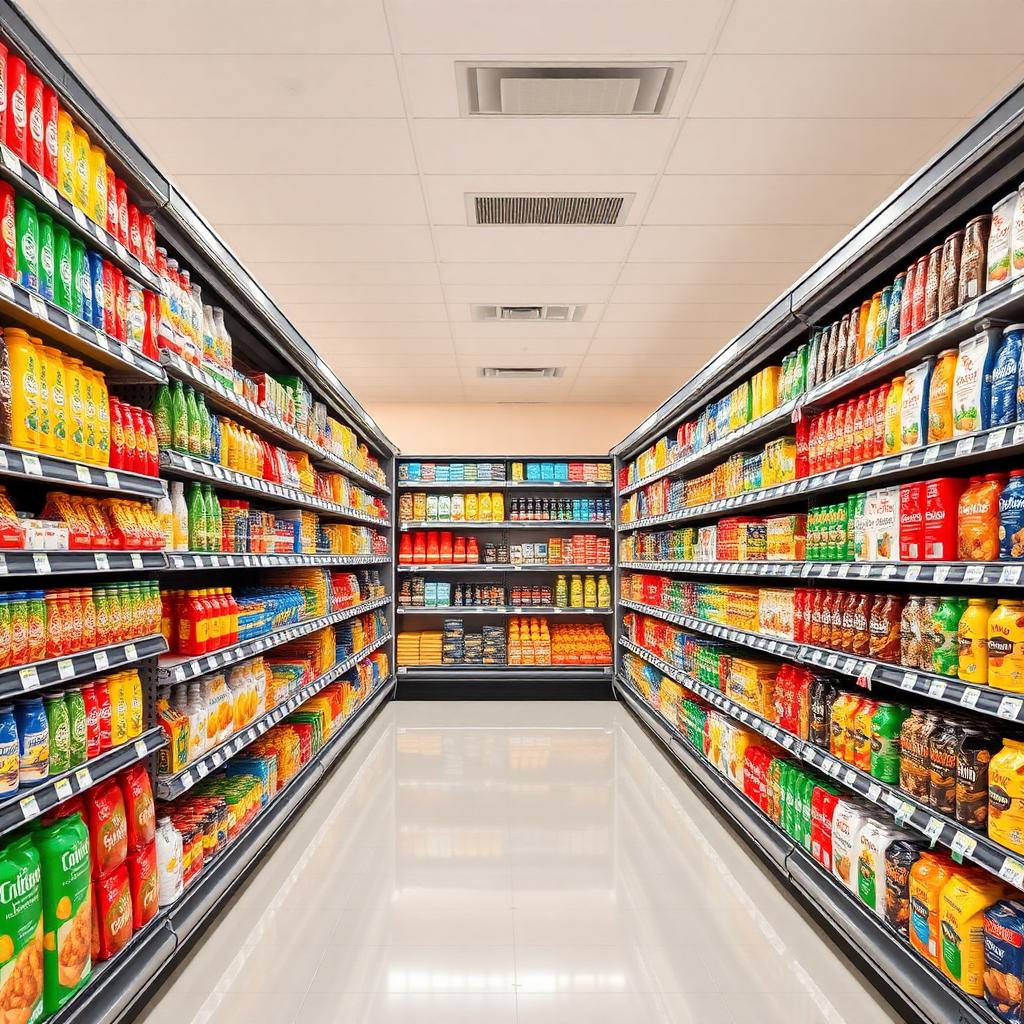
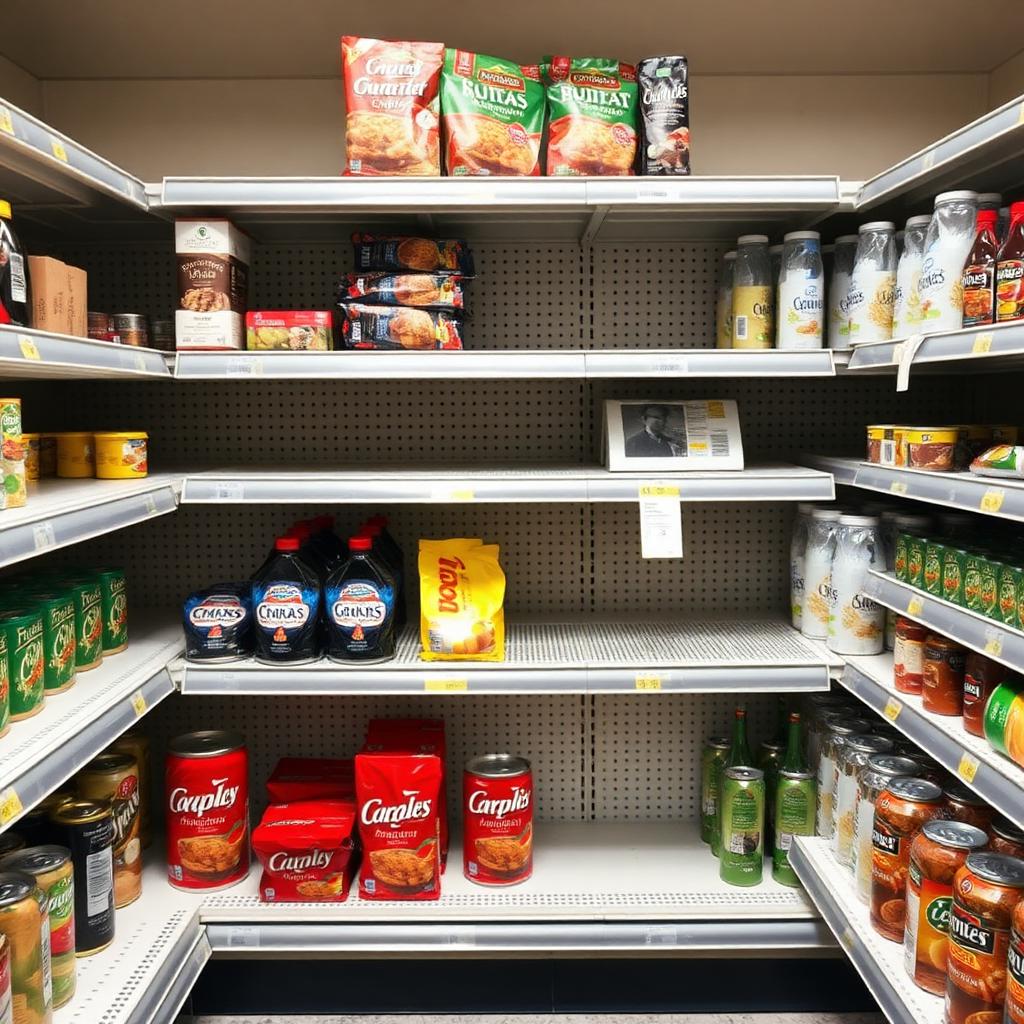
Open with what you saw in their stores this quarter. Compliance rates, OOS incidence, execution issues you flagged and resolved. Buyers care about their P&L; leading with your brand story signals you don't get that.
2. What worked and what didn't
Show, with photos, the endcaps and displays that lifted. Show the ones that didn't and — critically — your theory of why. Buyers respect brands that are honest about mixed results and specific about the causes.
3. A plan that helps the buyer look good
The buyer has to defend the review internally. Give them ammunition — SKU rationalization proposals, promotional efficiency data, planogram improvements — that they can lift straight into their own presentation.
What to leave out
- Long brand-history slides
- Category share bar charts they already have in their own dashboards
- Ambiguous asks ("we'd love to explore more space")
- Any slide that would look the same in three other brands' decks
The photo evidence advantage
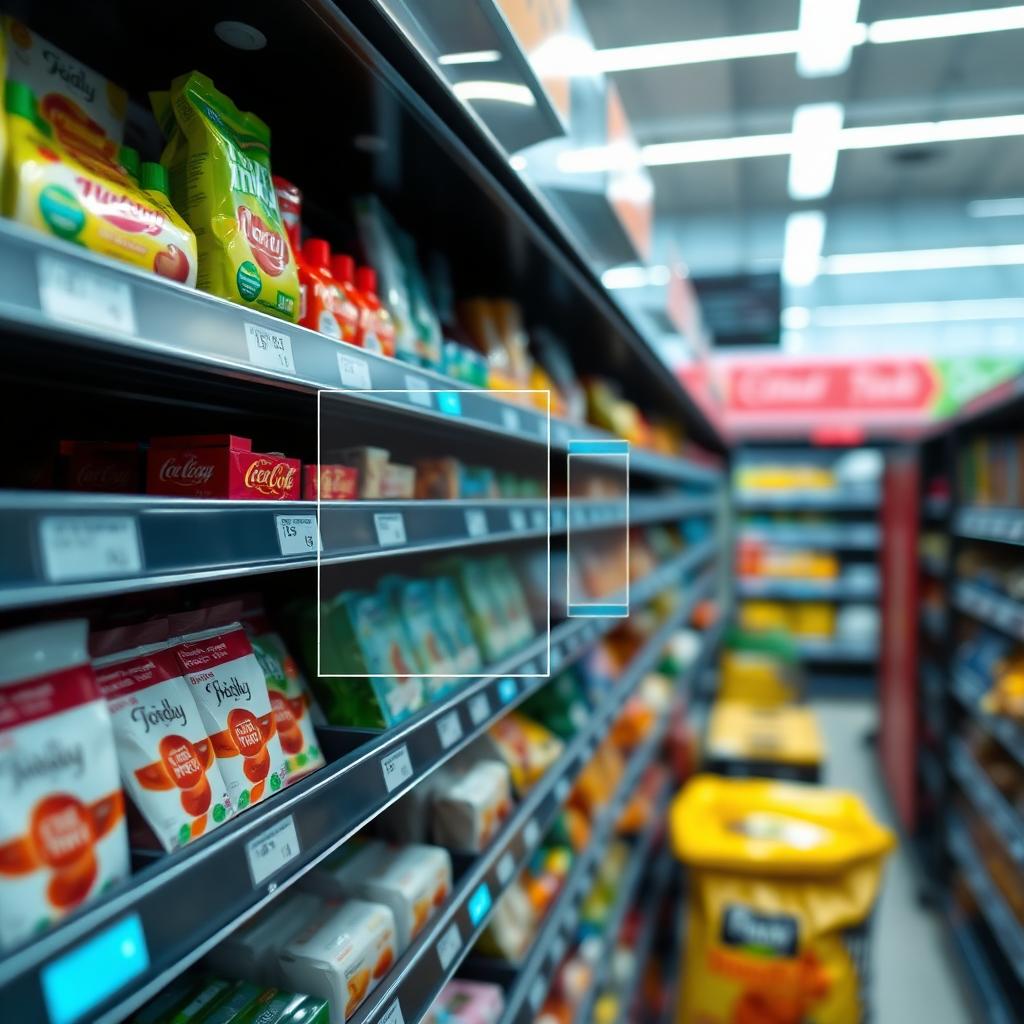
The single most differentiating move in a QBR is bringing store-level photo evidence. Not generic examples — specific stores, dated, with clear labels showing what happened.
Examples that land:
- "In these 14 Store #s, our secondary display was up on day 3 vs. day 12 last quarter."
- "This is what your cooler door looked like in Region 2 after we caught the encroachment."
- "Here's the endcap that hit +38% lift and the one next door that didn't."
Nobody else in the buyer's calendar is doing that. It changes the tone of the meeting.
Pricing and promo, done right
Buyers can smell a self-serving pricing pitch a mile away. Reframe the pricing slide around efficiency:
- Which promos delivered lift-per-dollar above the category benchmark
- Which chains overspent for the outcome
- What changes would improve efficiency without cutting depth
You want to leave the buyer thinking: "This brand is helping me spend better."
The forward plan
End with a short, specific, joint plan — not an ask list. Three or four commitments, each with a date and an owner. Buyers respond to specificity.
The one line that changes reviews
The most effective line in a modern QBR is some version of: "Here's what we saw in your stores that you probably haven't seen yet." Nothing else earns attention as quickly.
Key takeaways
- Lead with the buyer's stores, not your brand.
- Bring dated, geotagged photo evidence — nobody else does.
- Frame pricing as efficiency, not depth.
- Close with 3–4 specific joint commitments, not an ask list.
FAQ
How much prep time should a great QBR take? Roughly 2–3x what most teams spend today. The photo evidence and store-level data alone justify the effort if it earns the next negotiation.
What if I don't have store-level data yet? Start with your priority chains only, and build from there. Even one chain's worth of real evidence changes a review. See how to get started.