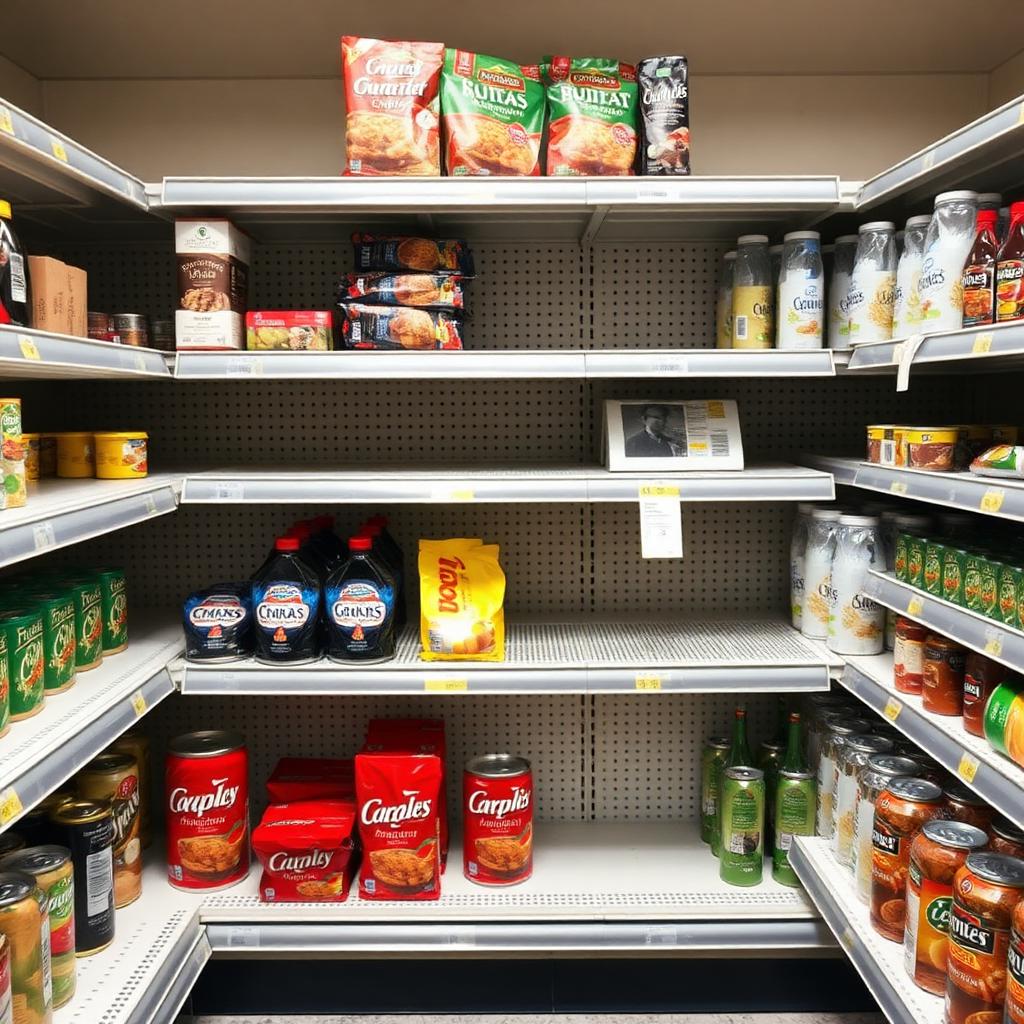

Launches live or die in the first month at retail. A day-by-day playbook — capture, verify, escalate, repeat — from teams whose launches keep hitting velocity targets.
The first 30 days of distribution set the trajectory for everything after. Retailers watch early velocity like hawks; if a new SKU doesn't move, it gets flagged for delisting before your quarterly review. A disciplined in-store playbook — capture, verify, escalate, repeat — is the difference between a launch that scales and one that quietly dies on the shelf. Here's the day-by-day version.
Week 1: Verify distribution actually happened
The gap between "the retailer said yes" and "the SKU is on the shelf" is the widest chasm in CPG. Week 1 is entirely about closing it.
Days 1–3: First-look audits
- Field reps visit every priority store in the launch chain
- Verify the SKU is present in the intended slot and quantity
- Capture photo evidence for every store, compliant or not
- Escalate non-compliance to the retailer contact within 24 hours
Days 4–7: Coverage sweep
- Extend to the full launch footprint, not just priorities
- Report distribution % by chain and region
- Flag chains trending below plan for immediate account intervention
Expect this: 20–30% of "distributed" stores won't have the SKU on shelf in the first week. Fix that gap fast — every day of missed distribution compounds.
Week 2: Merchandising and POS
By day 8, the SKU is on shelf. Now the question is whether shoppers can find it and know why it's new.
- POS placement — shelf talkers, hangers, tear pads
- Secondary displays — did the shipper get built, is it in a shopper path
- Adjacencies — is the SKU next to the right category anchors
- Price integrity — introductory price actually reflected on the tag
Each of these needs photo verification, not a rep saying "looks good."
Week 3: Velocity readout and course correction
Two weeks of scan data is enough to see the velocity curve. Compare:
- Velocity vs. plan by chain
- Velocity vs. comparable launches in the same category
- Velocity by executed vs. non-executed stores (usually eye-opening)
If a chain is running under plan, the diagnostic is almost always in-store: OOS, wrong shelf, missing POS, competitor block. Field data tells you which.
Week 4: The 30-day retailer review
You want to walk into a 30-day post-launch call with three things:
- Coverage data: distribution vs. commitment, by chain
- Execution data: POS, displays, planogram compliance
- Velocity data: unit movement by executed vs. non-executed stores
That combination lets you have the right conversation — "here's what's working, here's where we need help" — instead of the wrong one — "why isn't it selling?"
Common launch failure modes
- Assuming distribution equals presence. It doesn't.
- POS shipping late. POS should be in-store before the SKU, not after.
- No first-week feedback loop. By the time you find out, you've lost half the runway.
- Treating slow chains as retailer problems. They're usually execution problems you can fix.
How Shelfies.ai supports a launch
Shelfies.ai is used to run first-look audits at scale in the days after a launch, verify POS and displays, and give brand teams a live dashboard of coverage and compliance by chain. Launch programs typically see distribution verification complete in days instead of weeks.
Key takeaways
- Week 1 is about verifying the SKU actually reached the shelf.
- Week 2 confirms merchandising, POS, and price.
- Week 3 diagnoses velocity gaps using in-store data.
- Week 4 arms the retailer review with coverage, execution, and lift data.
FAQ
How many stores should we audit in Week 1? Every priority chain store, plus a statistically representative sample of the long tail. Modern AI-assisted capture makes 100% priority coverage economically realistic.
When should we run the first internal launch readout? Day 10 at the latest. Anything later loses the window to correct in-flight. See how launch teams use Shelfies.ai.