Most brands pay for endcaps without ever knowing the true lift. A simple framework — plus real store-level data — changes the ROI conversation with retailers.
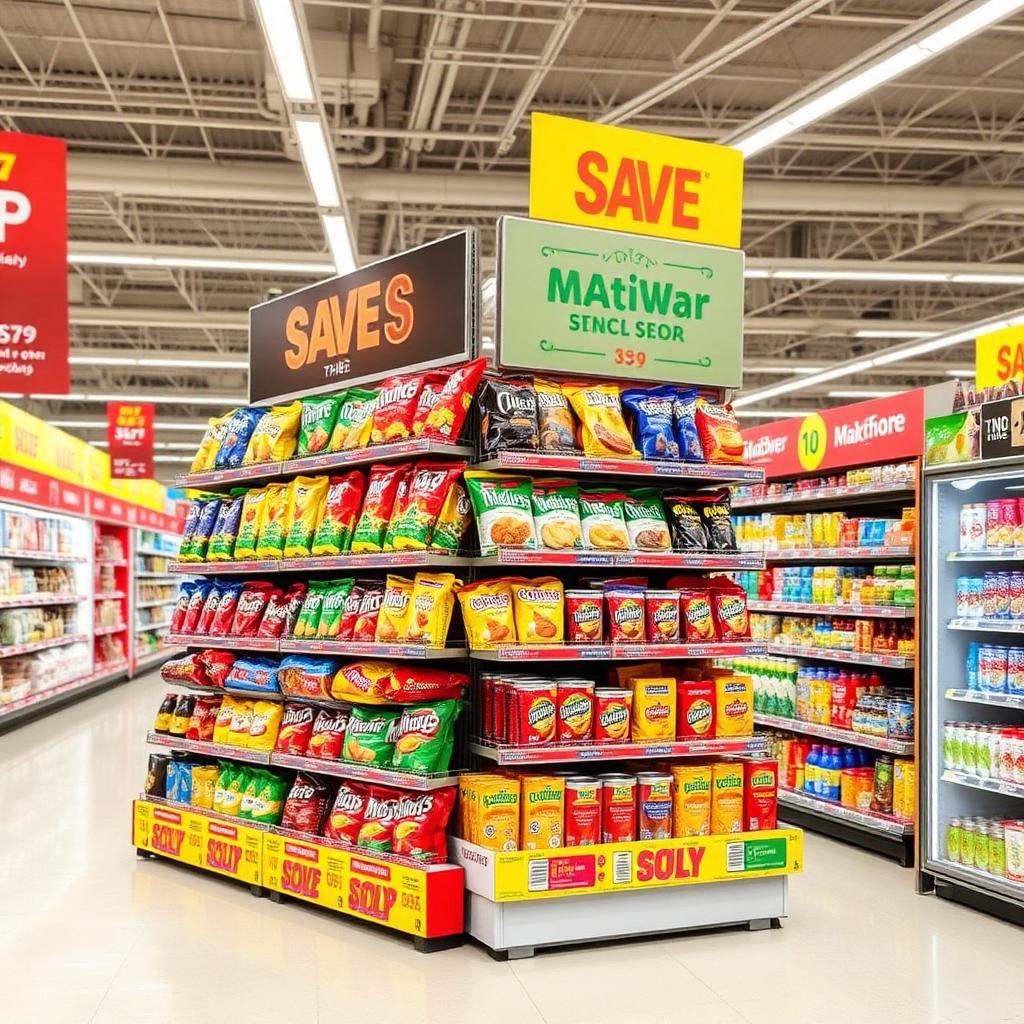
Endcaps and secondary displays are expensive. In most categories, they're the largest line in the trade budget after price promotion. Worse, the lift is often baked into a single lump-sum deduction, with no visibility into which stores actually executed, which didn't, and how much each one moved. Endcap economics is one of the biggest financial black boxes in CPG — and one of the easiest to open.
The three questions every endcap program should answer
- Did it happen? In how many stores did the display actually get built on time?
- Did it work? What was the sales lift on stores where it executed vs. stores where it didn't?
- Was it worth it? ROI on the fee paid — for every store, every week.
Most brands answer #1 with a spreadsheet, #2 with a syndicated report, and #3 with a shrug. All three should be answered from the same dataset, weekly.
Why execution rates matter more than lift
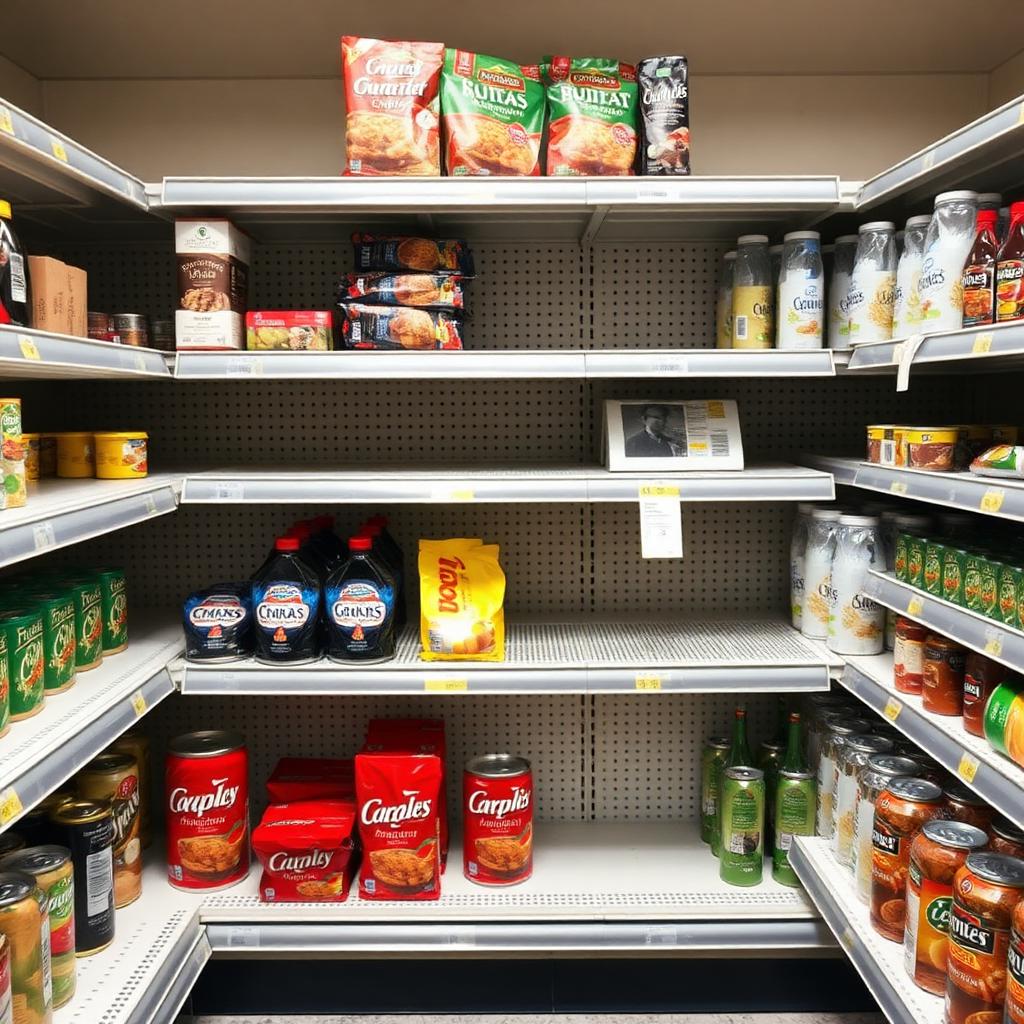
Everyone talks about endcap lift. Almost no one talks about execution rate — the percentage of paid stores where the display actually appeared. And execution rate is where the money leaks.
- Industry benchmark endcap execution rates for national programs typically fall between 55% and 75%.
- The bottom quartile of programs pays for displays that execute in fewer than half of the paid stores.
- A 20-point improvement in execution rate is usually worth more than a 20% improvement in the lift itself.
Fix execution first. Optimize lift second.
Building the ROI equation
For a given endcap program, the true ROI equation is:
(Lift per store × Number of stores that executed) – Total fee paid = Program ROI
The variable most brands don't measure is the middle one — number of stores that executed. Once you measure it accurately, you can:
- Renegotiate the fee based on actual coverage
- Prioritize follow-up on non-executing stores mid-program
- Choose better chains for the next program based on historical execution rates
What "measure execution" actually means in practice
- Field reps capture a photo of every paid endcap on the first week of the program
- AI verifies the display is present, correctly branded, and appropriately stocked
- HQ sees, on day 3, which stores are compliant and which aren't
- Non-compliant stores get an escalation — retailer contact, rep re-visit, or credit request
Without this loop, you're paying a fee and hoping. With it, you're paying a fee and knowing.
Correlating displays to sales
Once you have store-level execution data, correlate it to your POS or syndicated data at the same grain. The output — lift by chain, by region, by SKU, by store — is the single most useful artifact you can bring to a trade planning meeting. It tells you:
- Which chains actually earn the fee
- Which SKUs respond to display and which don't
- Which regions to prioritize on the next promo calendar
- How much to negotiate the fee down for chains with historically weak execution
The retailer conversation
Retailers are typically fine with the visibility once you frame it right. The pitch: "We want to pay a fair fee for what actually gets built. Here's the data. Let's align on next quarter's plan." Category captains that push back are usually the ones with the weakest execution — a signal in itself.
Key takeaways
- Endcap execution rate is a bigger ROI lever than lift itself.
- Store-level photo verification turns a black box into a P&L conversation.
- Correlating execution to sales tells you which chains truly earn the fee.
- Bring the data to retailers — most engage constructively when you do.
FAQ
How do we start measuring endcap execution without adding rep workload? Video-first capture with AI verification adds ~2 minutes to a store visit and produces auditable evidence for every display.
What execution rate should we aim for? Best-in-class programs sustain 85%+ execution rates on priority chains. Anything under 65% signals a broken program that needs process and partner attention — not more fee. Ask us to benchmark yours.